Books & Courses
Best Drawing Courses to Improve Your Technique
Ten college-level drawing course types, from foundation to experimental, with institutions known for them, who each suits and how to choose one.
Key takeaways
- ◆Foundation, observational and life drawing give the best return for nearly every artist, at any level.
- ◆Botanical, portrait and colour courses are especially valuable for coloured pencil artists.
- ◆Match the course to your weakest area, not to the most prestigious name.
- ◆Always check each institution directly for current content, availability, requirements and cost.
- ◆Free and low-cost routes - life drawing groups, structured books, museum sketching - can replace much of a course.
Books and videos teach you a lot, but they cannot look at your drawing and tell you what is wrong. College-level courses offer something different: structured progression, feedback from an experienced teacher and the discipline of showing up week after week. For many artists, that is the difference between practising and improving.
This guide describes ten types of drawing course offered by art colleges, universities and specialist schools, with the institutions each is known for, what it teaches and who it suits. We stay deliberately general. Courses change, so we do not quote fees, codes, admissions rules or availability. Check each institution’s own website for what it currently runs. For the wider picture, see how to get better at drawing.
Whatever course you choose, keep practising between classes. The 30-day drawing challenge and drawing ideas for beginners give you material, and colored pencil artists can start with the beginner’s guide to coloured pencil drawing.
The ten course types at a glance
| Course type | Institutions known for it | Best for | Teaches |
|---|---|---|---|
| Foundation drawing | Most UK and US art colleges | Building a technical base | Proportion, perspective, gesture, composition |
| Life / figure drawing | Royal Drawing School, RISD, Pratt, SCAD | Accuracy, anatomy, gesture | Live-model observation |
| Observational drawing | Royal Drawing School, Glasgow School of Art | Realism, still life | Seeing truthfully |
| Drawing for illustration | Camberwell College of Arts, Falmouth University | Style and storytelling | Expressive line, narrative |
| Advanced drawing techniques | Central Saint Martins, Parsons | Growth and portfolio expansion | Mixed media, large scale, concept |
| Botanical drawing | Royal Botanic Gardens Kew, NYBG | Detail and precision | Fine detail, subtle shading |
| Drawing for animation | CalArts, Bournemouth University | Expressive, dynamic drawing | Gesture, movement, character |
| Portrait drawing | Royal Drawing School, Florence Academy of Art | Likeness and realism | Structure, anatomy, value |
| Drawing with colour | Parsons, SCAD, UAL | Coloured pencil and mixed media | Colour theory, temperature |
| Experimental drawing | Central Saint Martins, Pratt Institute | Breaking habits | Unconventional tools and surfaces |
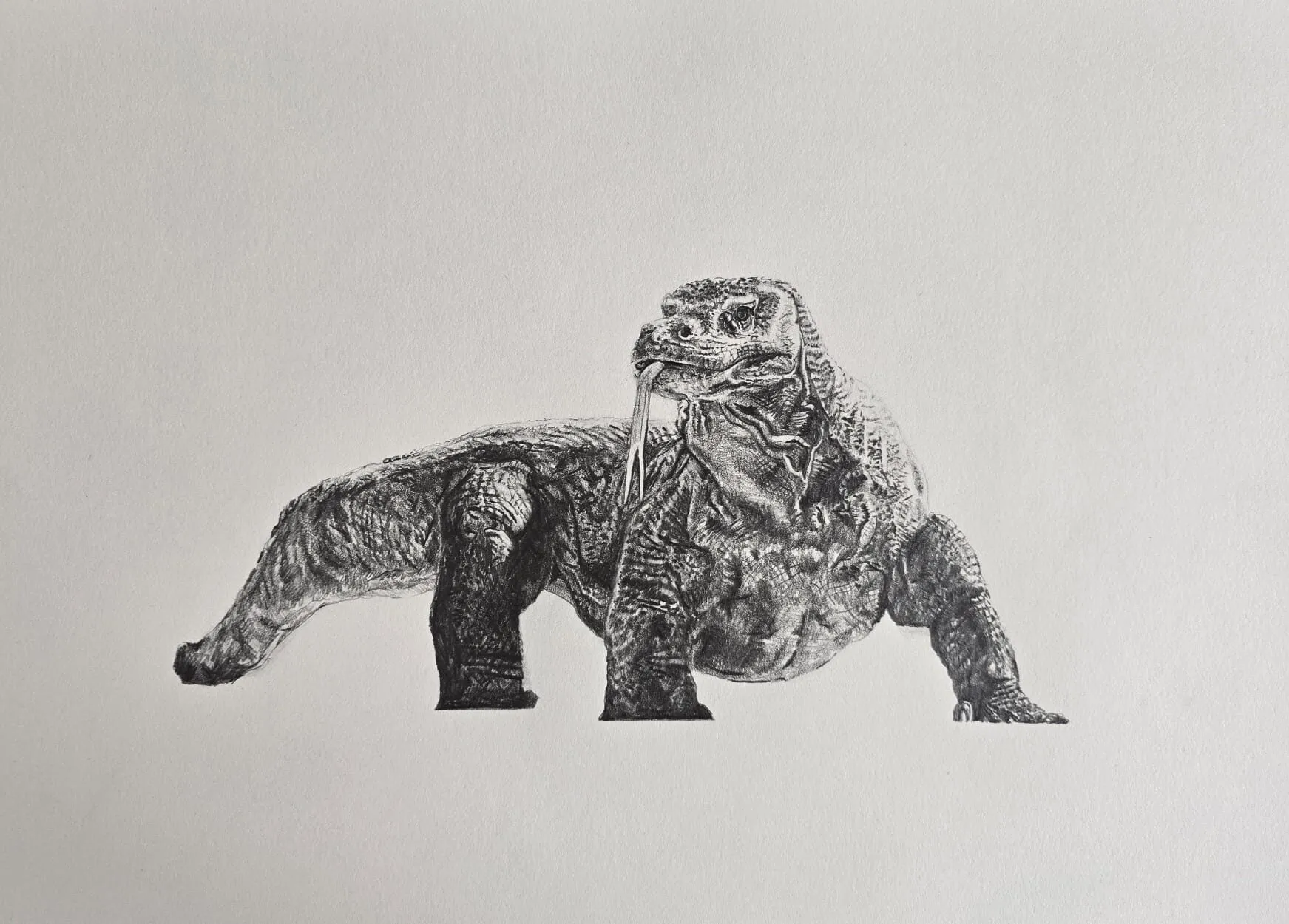
A lizard drawn in graphite pencil. Drawing by Michael Brace.
The foundations
1. Foundation drawing
The essential starting point. Foundation courses teach proportion, perspective, gesture, composition and observational accuracy. They are structured and supportive, designed to break bad habits while building confidence, and they cover line, tone, shape and form.
Suits: amateurs who need a strong technical base, and experienced artists refreshing fundamentals. Why it matters: every advanced technique rests on these foundations, and even experienced artists often find gaps they did not know they had.
2. Life drawing and figure drawing
Working from a live model forces you to observe honestly, draw quickly and understand anatomy and proportion. It teaches structure, builds speed and improves shading and value control, and it also helps artists loosen up.
Suits: anyone wanting to improve portraiture, anatomy, gesture or realism. Why it matters: if you can draw the human figure well, every other subject becomes easier. Pair it with our best books for figure drawing.
3. Observational drawing
Concentrates on still life, interiors, landscapes and everyday objects, translating what you see into accurate, expressive drawings. It builds strong value structure, spatial awareness and slow, thoughtful drawing habits.
Suits: amateurs learning realism, and experienced artists refining accuracy. Why it matters: observation is the root of realism. Our guide on how to draw what you see covers the core skills.
Specialist skills
4. Drawing for illustration
Blends technical drawing with narrative, character design and visual communication. It teaches expressive linework and stylistic development, with a focus on storytelling.
Suits: artists interested in illustration, editorial work or stylised drawing. Why it matters: style emerges from technique, and these courses help you find yours.
5. Advanced drawing techniques
Explores multilayered drawing, mixed media, large-scale work and conceptual approaches, including advanced shading and rendering.
Suits: artists ready for growth or portfolio expansion, including those preparing for exhibition. Why it matters: it pushes you beyond your comfort zone. It assumes you already have secure fundamentals.
6. Botanical drawing
Botanical courses teach accuracy, subtle shading and delicate transitions, and they build patience and discipline. The skills transfer beautifully to portraits and realism.
Suits: artists who love detail, realism or nature, and particularly coloured pencil artists. Why it matters: it is realism at its most disciplined. Our best books for botanical drawing can prepare you.
7. Drawing for animation
Teaches how to capture movement, emotion and character quickly, and is excellent for loosening up and improving gesture. It builds speed and encourages fluid linework.
Suits: artists who want expressive, dynamic drawing, and character artists. Why it matters: gesture is the heartbeat of drawing.
8. Portrait drawing
Concentrates on structure, anatomy, shading and likeness. These courses are intense but rewarding, building confidence in shading and facial structure.
Suits: artists who want to master portrait realism, including coloured pencil portrait artists. Why it matters: portraits are among the most demanding subjects, so structured training makes a large difference. See also how to draw portraits in coloured pencil.
9. Drawing with colour
Teaches colour theory, mixing, temperature and saturation, and how colour affects mood and realism. It helps you build confident palettes.
Suits: artists working in coloured pencil, pastel or mixed media. Why it matters: colour theory is essential for realism, and these courses make it practical. Our colour wheel explained is a good primer.
10. Experimental drawing
Encourages exploring unconventional tools, surfaces and methods. It teaches creative risk and mixed media, and helps you break habits.
Suits: experienced artists who feel stuck or want fresh inspiration. Why it matters: experimentation often leads to artistic evolution. Do this after you have solid fundamentals.
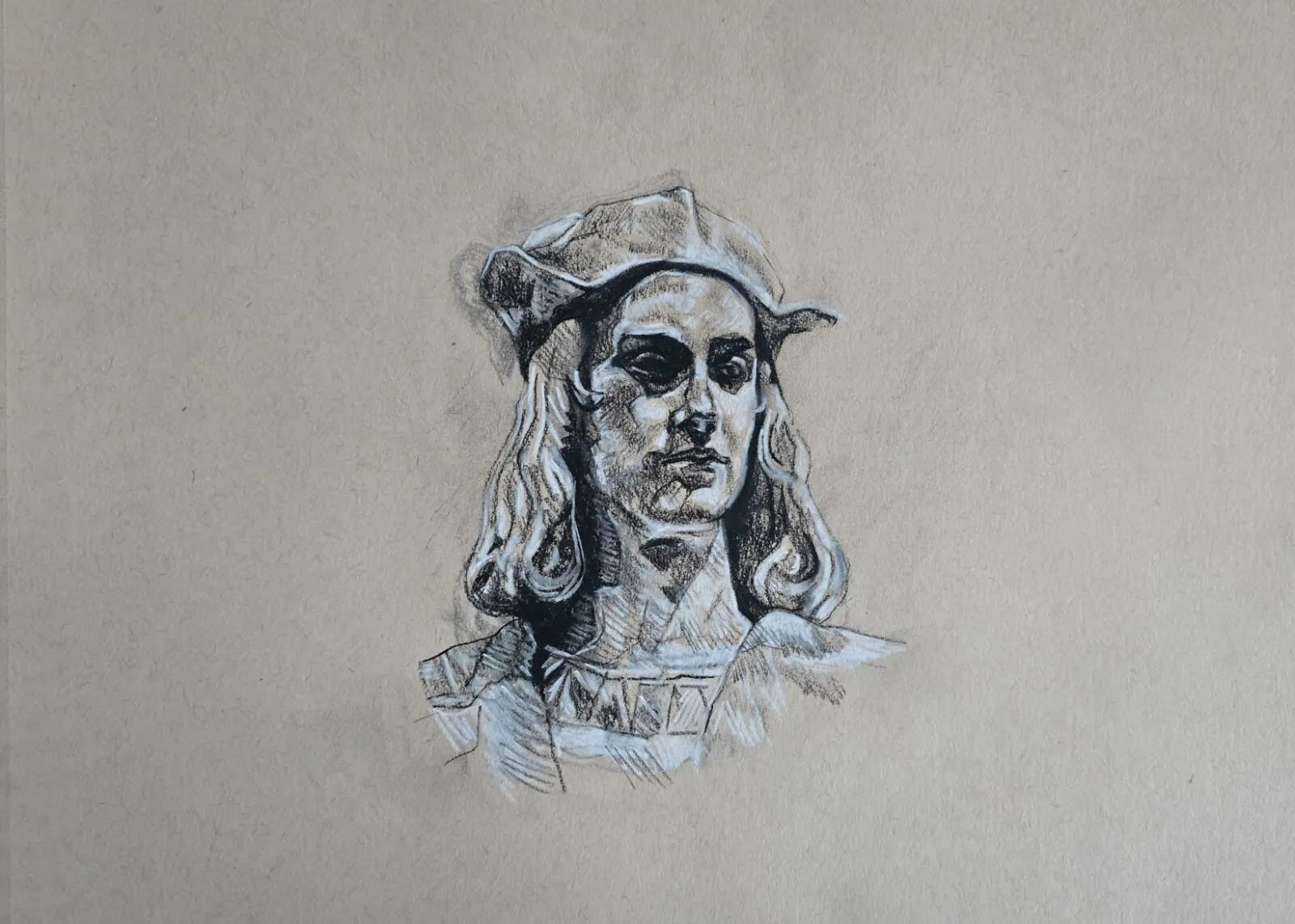
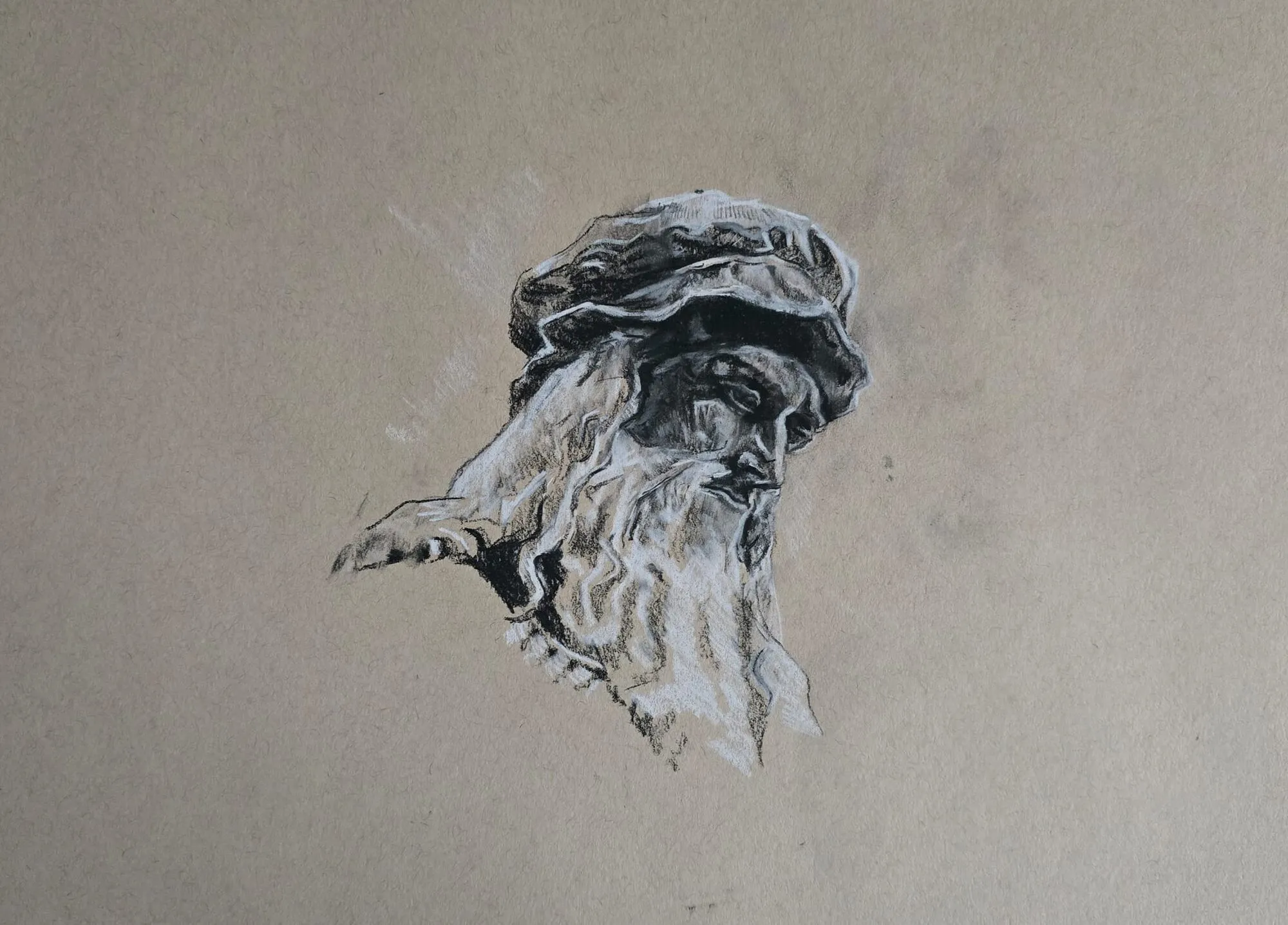
A head study of a figure in a cap in dark and white pencil on toned paper. Drawing by Michael Brace.
Quick recommendations
| If you are… | Consider |
|---|---|
| A beginner | Foundation drawing, observational drawing, plus Drawing on the Right Side of the Brain as a book companion |
| Aiming for realism | Botanical drawing, portrait drawing, advanced drawing techniques |
| A coloured pencil artist | Drawing with colour, botanical drawing, observational drawing |
| An expressive artist | Drawing for animation, experimental drawing |
| Building a portfolio | Drawing for illustration, advanced drawing techniques, portrait drawing |
How to choose a course
- Identify your weakest area. If your proportions drift, choose observational or life drawing. If your colour is muddy, choose a colour course.
- Check level and prerequisites on the institution’s own website. Some courses assume experience.
- Look at the tutors’ work and student examples for the tone you want to aim at.
- Consider format. Weekly evening classes build habits; intensives suit people with limited time.
- Check availability and cost directly with each institution. We do not list either, as both change.
Free and low-cost ways to get similar training
- Local life drawing sessions. Many towns run drop-in groups where you pay only for the model.
- A structured book. Work through Nicolaides or Edwards; see best books to improve your drawing.
- Master copies. Studying and copying drawings by Bargue and others recreates part of academic training. See master draughtsmen to study.
- Museum sketching. Drawing from sculpture and paintings costs little and teaches a lot. Our list of museums and galleries for drawings helps you plan.
- A daily routine. Consistent practice is free; see how to practise drawing daily.
- Peer critique. Join a drawing group or online community and post work regularly.
Getting the most from a course
Turn up prepared, with the materials the tutor asks for, and treat the critique as the main product. Photograph your work at each stage so you can see progress, and keep a notebook of the corrections you receive, because tutors often repeat themselves and the pattern reveals your consistent weakness. Between sessions, practise the specific exercise you were set; the class shows you the method, but the improvement happens in the days between.
The short version
Take foundation, observational or life drawing first, whichever addresses your greatest weakness. Add botanical, portrait or colour courses if you work in coloured pencil. Use books, life drawing groups and master copies to fill the gaps between classes, and always confirm details with the institution itself.
Quick answers
Frequently asked questions
Are drawing courses worth it?+
They can be, particularly for the things books cannot provide: structured progression, expert feedback and the discipline of regular attendance. If you can only afford one thing, a good course in life or observational drawing offers feedback that speeds up learning far more than extra materials.
Which drawing course is best for beginners?+
Foundation drawing and observational drawing are the best starting points. They teach seeing, proportion, tone and composition, and they build confidence through repetition and critique. Life drawing is also excellent once you have basic mark-making skills.
What course should a coloured pencil artist take?+
Drawing with colour, botanical drawing and observational drawing suit coloured pencil work best. Colour courses teach harmony, temperature and saturation, botanical courses build patience, detail and value control, and observational drawing strengthens accuracy and subtlety.
Can I get the same training without a college course?+
Much of it, yes. Attend local life drawing sessions, work through a structured book, copy master drawings and join a drawing group for critique. What you lose is systematic feedback from an experienced tutor, so consider a short course or workshop for that.