Coloured Pencils
Best Coloured Pencils for Portraits
The best coloured pencils (colored pencils in the US) for portraits: skin tones, soft transitions and fine facial detail, plus paper choices and how to build skin.
This guide contains affiliate links. If you buy through them we may earn a small commission at no cost to you. How this works.
Jump to recommended products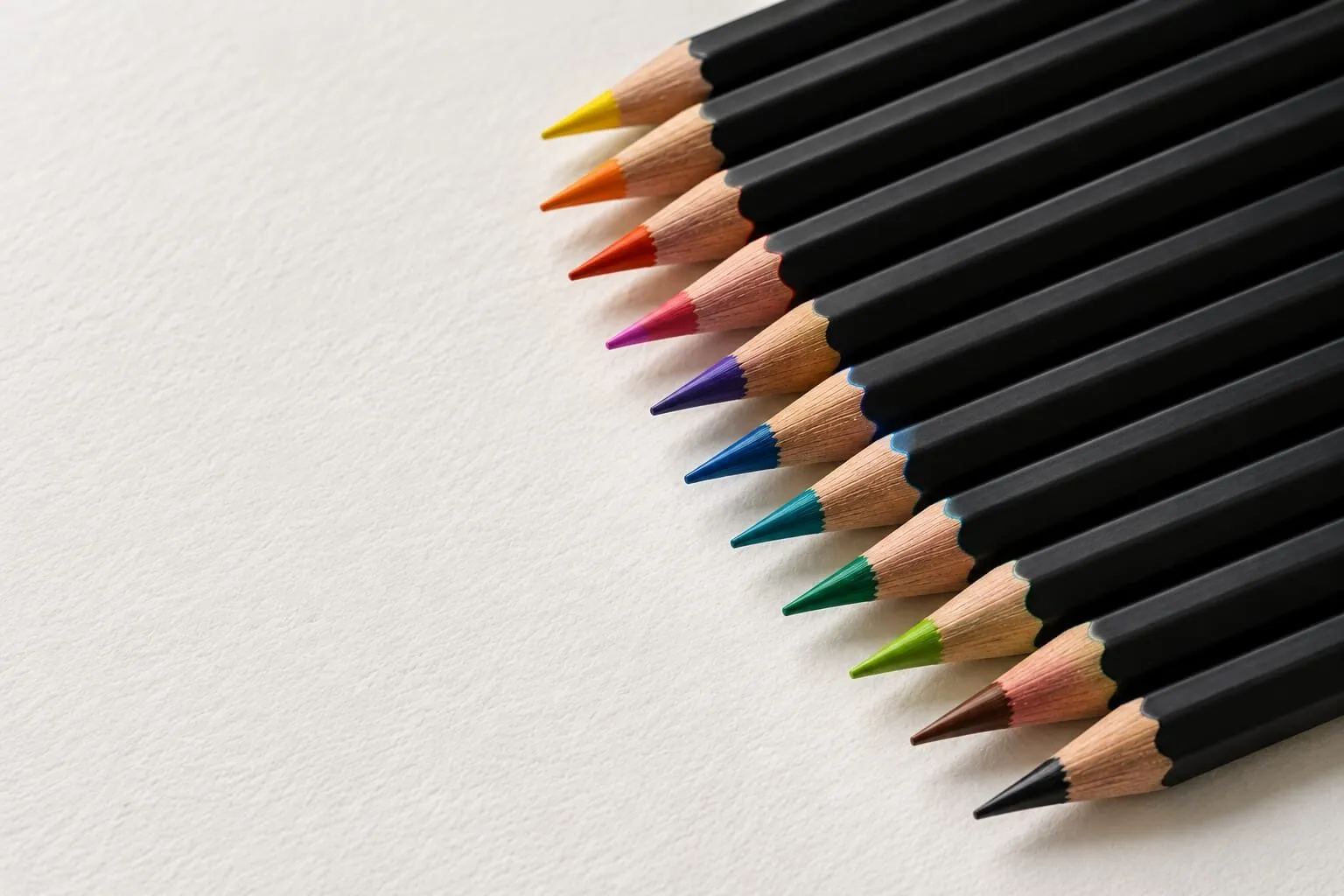
Key takeaways
- ◆Portraits need creamy, opaque pencils that blend into gentle gradients without visible strokes.
- ◆Caran d'Ache Luminance is the standout for skin tones, Derwent Lightfast is excellent for shadows and undertones, and Polychromos gives crisp control in eyes, hair and texture.
- ◆Build skin in many light layers, working from underlying warm and cool tones towards the finish, rather than reaching for one 'skin' pencil.
- ◆Smooth, heavier papers such as Arches Hot Press and Stonehenge White suit portraits because they allow subtle transitions.
- ◆Many portrait artists combine a soft pencil for skin with a firm one for detail.
Portraits demand subtlety. Soft transitions, natural skin tones and smooth blending are the difference between a face that looks alive and one that looks coloured in. The best coloured pencils for portrait work (colored pencils, in US usage) are creamy, opaque and capable of gentle layering without leaving visible strokes.
Three pencils dominate serious portrait work: Caran d’Ache Luminance, Derwent Lightfast and Faber-Castell Polychromos. Here is what each does best, how to build skin convincingly, and which paper to pair with them. For broader context, see our complete guide to coloured pencils and the main list of best coloured pencils. To plan colours from a reference, try the palette from photo tool, and for the drawing itself see how to draw a portrait from a photo and how to draw realistic eyes.
The best pencils for portraits
| Pencil | Type | Best at | Watch out for |
|---|---|---|---|
| Caran d’Ache Luminance | Wax-based, creamy | Skin tones, soft gradients, painterly finish | Highest price of the three |
| Derwent Lightfast | Wax-based hybrid, balanced | Shadows, undertones, subtle colour shifts | Range still growing, so check current colours |
| Faber-Castell Polychromos | Oil-based, firm | Eyes, hair, texture, precise edges | Less buttery for large soft areas |
Caran d’Ache Luminance
Luminance is unmatched for skin tones, soft gradients and delicate transitions. It blends effortlessly and creates a painterly finish. The wax base burnishes into a smooth unified surface, which is exactly what skin wants. It is the most expensive of the three, and its range is smaller but beautifully curated. Our Luminance review goes further.
Derwent Lightfast
Lightfast is rich and blendable, excellent for shadows, undertones and subtle colour shifts, and perfect for building depth in skin. It sits between Luminance and Polychromos in softness, so it gives you smooth transitions while allowing more control. Its lightfastness is top tier, useful if the portrait is a commission or for sale. See coloured pencil lightfastness explained.
Faber-Castell Polychromos
Polychromos are ideal for crisp detail around eyes, hair and texture. Their firmness gives control without sacrificing colour richness. Use them where a portrait needs sharpness: lashes, individual hair strands, the edge of an iris. Read the Polychromos review.
If you cannot decide between the three, Polychromos vs Luminance vs Lightfast compares them feature by feature.
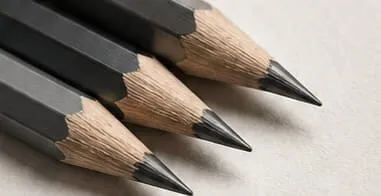
Close-up of sharpened pencils with grey leads on textured paper.
Building skin tones
There is no single skin pencil. Skin is a stack of colours: warm reds and yellows where blood is close to the surface, cooler blues and greens in shadows, and neutral greys and browns that hold it all together. A reliable method:
- Map values first. Lay in light, mid and dark shapes lightly. Faces read through value before colour, so use the value study tool if you are unsure where your darks sit.
- Build the base in thin layers. Use light pressure and warm mid-tones over the whole face area, changing pencil and direction gently.
- Deepen the shadows with colour. Shadows are rarely just darker skin. Add cooler and more muted hues, including reds and violets, to keep them alive.
- Blend with the pencils. Additional light layers of a similar colour smooth the transition. Burnish only at the end where a polished finish is wanted; see how to burnish coloured pencils.
- Add detail and highlights last. Use a firm, sharp pencil for lashes, brows and hair, and place highlights when the surrounding tones are settled.
Our guide to mixing skin tones with coloured pencils gives the colour thinking in more depth, and how to draw portraits in coloured pencil walks through a whole drawing.
Paper for portraits
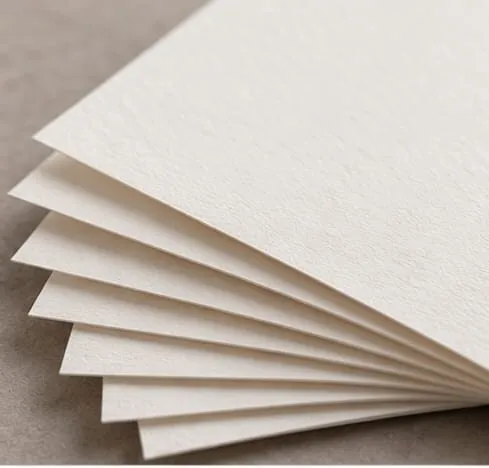
Paper changes how skin looks. Smooth papers let colours blend seamlessly, while heavily textured papers leave visible grain in flesh.
- Arches Hot Press is smooth and refined. It suits portraits and skin tones because it allows subtle transitions and delicate shading. Because pigment sinks into the smooth surface, it is harder to lift from, so plan carefully.
- Stonehenge White is velvety and forgiving, ideal for soft realism and gentle transitions, and it lifts gently.
- Grey or toned paper can give dramatic portraits, although white or cream is the usual choice for delicate skin. Read why use grey paper for coloured pencil.
Michael’s advice for portraits is to lean towards smooth, heavier papers, and his recommendations for portrait work are Arches Hot Press and Stonehenge White. See best paper for realistic drawing and the overall best paper for coloured pencils.
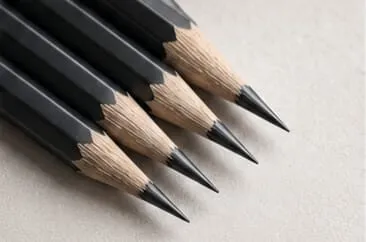
Four sharpened black pencils with grey leads on textured paper.
Colour choices that matter for faces
A small, well-chosen selection often does more than a huge set. For portraits, the colours you reach for constantly are mid-browns, warm reds, yellow ochres, cool greys, muted violets and a good white. The idea is to keep the palette limited so the face holds together. A limited palette also makes harmony easier; see limited palette drawing for how to plan one.
Temperature does much of the work. Light on skin is usually warmer than the shadows it creates, and shadows tend to cool and lose saturation as they turn away from the light. Understanding colour temperature, warm and cool helps you avoid the flat, uniform look that comes from using one skin colour everywhere.
Which pencil for which part of the face
- Broad planes of skin (forehead, cheeks, jaw). A soft, creamy pencil in light layers.
- Deep shadows and undertones. Derwent Lightfast, for rich, blendable depth.
- Eyes and eyelashes. A sharp, firm pencil so edges stay controlled.
- Hair. Firm pencils for individual strands and softer ones for the mass of hair behind them.
- Lips. Layered soft colour with gentle highlights, avoiding a hard outline.
Amateur artists will appreciate how forgiving these pencils are. Mid-career artists will value the control, particularly when working on smooth papers like Arches Hot Press.
Common portrait mistakes
- Outlining features too darkly. Hard lines around eyes and lips make faces look drawn on. Let edges form where values change.
- Using one skin colour. Build from several layers of warm and cool colour instead.
- Neglecting value. A face with similar values everywhere looks flat, however careful the colour. Check your drawing in greyscale.
- Overworking early. Working the paper heavily before the values are right leaves nowhere to go. Keep it pale and patient.
Practising before a commission
If you plan to draw portraits for other people, practise on your own reference until the process feels routine. Draw the same face twice with different pencil combinations, then compare the skin and detail side by side. Keep notes of which pencils gave you the shadows you like. Swatch the pencils you use for skin on the same paper as the drawing, because colours shift between white, cream and grey surfaces. Finally, remember that portraits sold or exhibited need lasting colour, so check lightfastness ratings for the exact pencils you plan to use before you start.
Combining pencils
A practical set for portraits often mixes two. Use a soft, creamy pencil for large skin areas and blended shadows, then a firm pencil for detail. Wax and oil can be used together, though the order matters. Our guide to wax versus oil-based coloured pencils explains how to combine them without problems.
Budget route for portrait artists
You do not need a full professional set to start. A sensible economy plan is to buy a small selection of skin-relevant colours in one premium range, plus a firm pencil for eyes and hair, and fill the rest of the drawing with a set you already own. Add colours one at a time as the drawings demand them. Because portrait palettes are naturally limited, this approach costs far less than a large tin and usually gives better results.
The short version
For portraits, choose Luminance for skin and soft realism, Lightfast for shadows and balance, and Polychromos for detail. Draw on smooth, heavier paper such as Arches Hot Press or Stonehenge White, and build skin in many light, warm and cool layers. If budget is tight, start with the pencils you will use most: mid-browns, warm reds, cool greys and a good white.
Where to buy
Recommended products
Affiliate links. We may earn a small commission if you buy, at no extra cost to you. Why?
Pencils · Faber-Castell
Faber-Castell Polychromos
Firm, oil-based artist pencils that hold a point - a benchmark for detail and clean layering.
Pencils · Derwent
Derwent Lightfast Coloured Pencils
Premium, creamy pencils with excellent lightfastness - well suited to professional realism.
Pencils · Caran d'Ache
Caran d'Ache Pencils
Premium artist pencils - Luminance is creamy and opaque for portraits, Pablo is firmer for detail.
Quick answers
Frequently asked questions
What are the best coloured pencils for skin tones?+
Caran d'Ache Luminance is widely regarded as unmatched for skin tones, soft gradients and delicate transitions. Derwent Lightfast is rich and blendable, ideal for shadows and undertones. Polychromos add crisp control in eyes and hair. Many artists combine two of these for a portrait.
Can I draw a portrait with student-grade pencils?+
Yes, you can learn a great deal that way. Skin needs many subtle layers, so pigment quality and smooth blending matter, and artist-grade pencils make that easier. Start with what you have, and upgrade the browns, reds and greys you use most.
What paper is best for coloured pencil portraits?+
Smooth, heavy paper works well. Arches Hot Press is smooth and allows subtle transitions and soft skin tones, while Stonehenge White is velvety and forgiving for gentle layering. Grey or toned paper can suit dramatic portraits, but white or cream is usual for delicate skin.
How do you make skin look natural in coloured pencil?+
Build it from many thin layers of warm and cool colours instead of a single flesh colour. Establish values first, keep pressure light, and let shadows carry hints of colour. Finish by blending with the pencils themselves and adding highlights and detail last.
Are colored pencils and coloured pencils the same?+
Yes. Coloured pencils is the British spelling and colored pencils is the American one, and both describe the same drawing medium: pigment in a wax or oil binder, set in a wooden barrel. Brands, sets and techniques do not change with the spelling, so advice about one applies equally to the other. Only shop listings and product names follow one spelling or the other.