Coloured Pencils
Caran d'Ache Luminance Review
A review of Caran d'Ache Luminance coloured (colored) pencils, plus Pablo and Museum Aquarelle: creamy, opaque and prized for portraits. Are they worth the cost?
This guide contains affiliate links. If you buy through them we may earn a small commission at no cost to you. How this works.
Jump to recommended products
Key takeaways
- ◆Luminance are creamy, soft, opaque wax-based pencils, valued most for portraits, skin tones and soft realism.
- ◆They blend and burnish with very little effort, which speeds up large areas of smooth colour.
- ◆Pablo is firmer and better suited to detail and layering, and Museum Aquarelle is water-soluble but highly pigmented for mixed media.
- ◆Caran d'Ache is premium-priced, so it makes sense to buy the colours you use most rather than a huge set.
- ◆Very soft pencils dull quickly and are less suited to razor-fine detail, so many artists pair them with a firmer pencil.
Caran d’Ache is the name people whisper when they talk about luxury coloured pencils, or colored pencils as US readers say. The Luminance line in particular has a reputation as the most sumptuous pencil you can draw with, and the price matches. Whether it is worth paying for depends on what you draw and how you like a pencil to feel.
This review looks at Luminance, its firmer sibling Pablo, and the water-soluble Museum Aquarelle, and explains who gains most from spending this much. The pencil set quiz and best coloured pencil sets help you compare it with other options, and how to draw a portrait from a photo shows the pencils at work.
The Caran d’Ache family at a glance
| Line | Character | Best for |
|---|---|---|
| Luminance | Creamy, soft, opaque, wax-based | Portraits, skin tones, soft realism, rich colour depth |
| Pablo | Firmer, controlled | Detail and layering |
| Museum Aquarelle | Water-soluble, highly pigmented | Mixed media, wash effects |
All three are expensive, and Michael’s summary of the brand is that they deliver professional-grade results, especially for artists who value subtlety and richness.
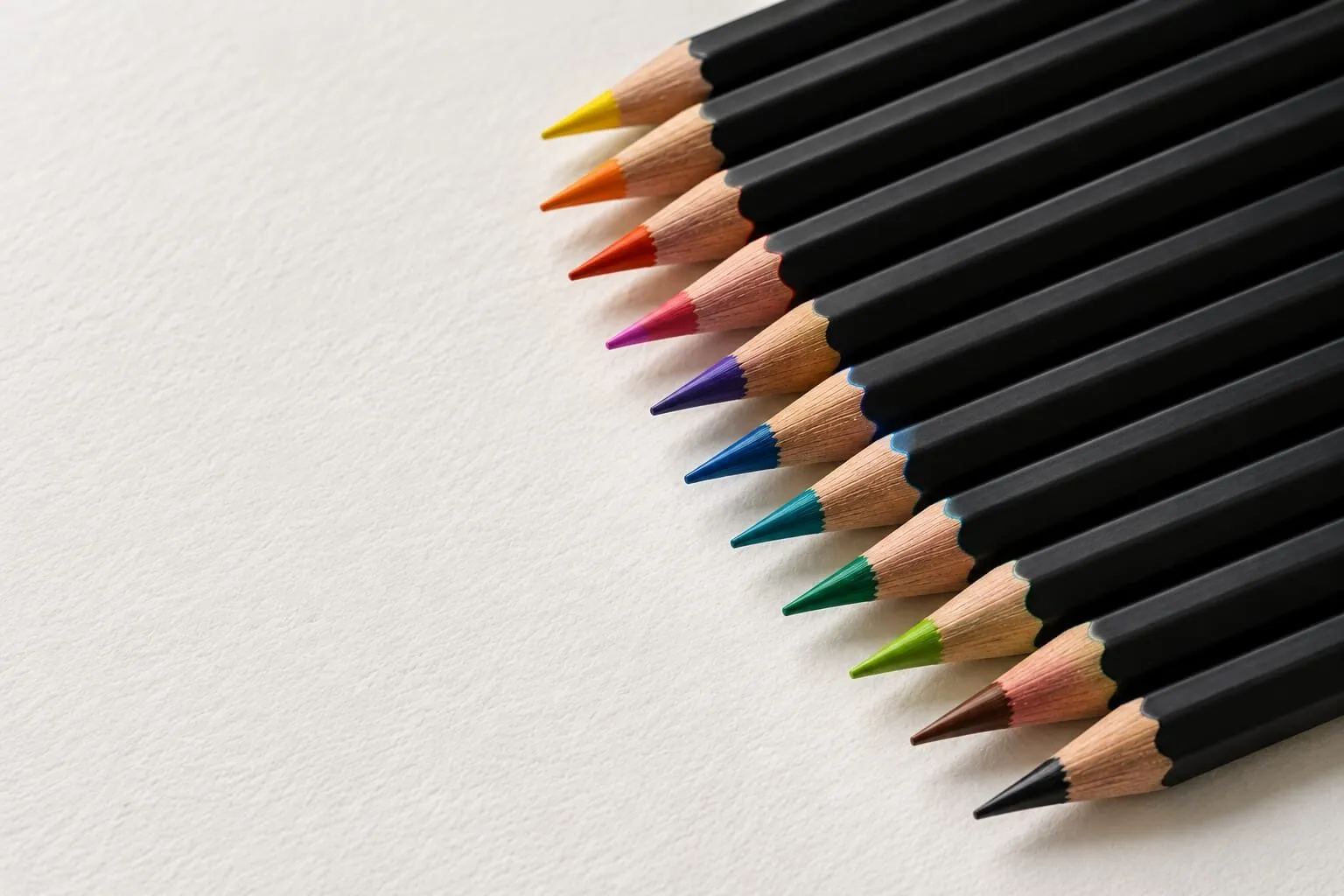
A row of sharpened coloured pencils fanned across white paper.
Luminance: creamy, opaque, unmatched for skin
Luminance are soft. They glide across the paper, lay down pigment quickly and blend with very little effort. That is why they are so strongly associated with portraits and soft realism: gradual shifts in skin tone, delicate shadows under the eye and smooth gradients are what they do best.
Michael’s assessment is that Luminance are unmatched for skin tones, soft gradients and delicate transitions, blending effortlessly to create a painterly finish. Their colour range is smaller than some others but carefully curated, and the skin tones are exceptional.
Opacity and colour depth
Because the pencils are so opaque, light colours can sit over darker ones and still show. That makes correcting and adding highlights easier, and it lets you build bold, deep colour quickly. Layering is deep and opaque, so you reach rich colour in fewer passes than with a firm pencil. See how to layer coloured pencils for the general method.
Burnishing
Luminance burnish like butter. The wax melts into a smooth, unified surface, which makes the final polish on a portrait or a glossy still life quick and satisfying. Our burnishing guide covers how to do it without damaging the paper.
Skin tones in practice
For skin, the value of a soft, opaque pencil is that you can keep transitions seamless. Build the shadow shapes first, blend the mid-tones into them with light pressure, and finish with delicate highlights. The pencils’ softness lets you glaze warm and cool tones over each other without visible strokes.
Pair this with good technique rather than relying on the pencil alone. How to mix skin tones with coloured pencils explains the colour logic, and how to draw portraits in coloured pencil walks through the process. For paper, smooth surfaces such as hot press watercolour paper show off soft pencils well; see hot press vs cold press paper.
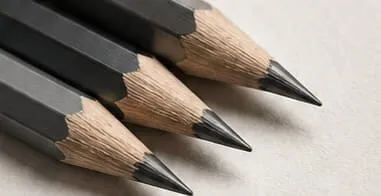
Close-up of sharpened pencils with grey leads on textured paper.
Pablo: the firmer option
Pablo sit at the firmer end of the Caran d’Ache range. They are excellent for detail and layering, and they hold a point better than Luminance. If you love the brand’s colour but find Luminance too soft for fine work, Pablo is where to look. Many artists combine the two, using Luminance for large soft areas and Pablo for edges, eyelashes, hair strands and texture. It is a similar pairing idea to combining a soft wax pencil with a firm oil-based one, as discussed in wax versus oil-based coloured pencils.
Museum Aquarelle: water-soluble
Museum Aquarelle are water-soluble but highly pigmented, which makes them popular for mixed-media work. You can draw dry, or run a wet brush over the marks to create wash effects and then draw over the top. This crosses into the territory of using solvents with coloured pencils, though water-soluble pencils behave differently from standard ones. Water also cockles thin paper, so use a suitable heavier paper.
What Luminance are not so good at
Honest trade-offs matter, especially at this price.
- Cost. These are premium pencils. Building a big collection is a serious investment.
- Fine detail. Soft cores dull faster and cannot hold a needle point the way a firm oil-based pencil can.
- Sharpening. Soft pencils break under a poor sharpener, so you need a good one. See the best pencil sharpeners for coloured pencils.
- Range. The range is smaller than some competitors, so you will do more mixing.
Who should buy Luminance
They suit artists who:
- draw portraits and want seamless skin tones;
- enjoy rich, opaque, painterly colour and fast coverage;
- exhibit or sell work and want a premium professional pencil;
- are happy to pay for the feel and finish.
They are a poorer fit if you draw mostly crisp detail such as fur, feathers or glass, or if the price would stop you from using them freely. For those subjects, the Faber-Castell Polychromos review makes the case for a firmer alternative, and Polychromos vs Luminance vs Lightfast sets the main professional lines side by side.
For lightfastness, read the manufacturer’s published information for the exact colours you use rather than assuming. Our guide to coloured pencil lightfastness explains how to do that. To see which pencils suit which subject overall, start at the best coloured pencils and the best coloured pencils for portraits.
Getting the best from soft pencils
Soft, opaque pencils behave differently from firm ones, and a few adjustments help.
- Use light pressure early. Because pigment goes down quickly, heavy pressure at the start fills the paper’s tooth before you have built form.
- Sharpen carefully. Soft cores snap in dull sharpeners, so use a sharp blade and slow turns.
- Keep a firmer pencil for detail. A soft pencil cannot hold a needle point for long, so a firm pencil for lashes, hairs and texture saves frustration.
- Work on a paper with enough tooth. Soft pencils fill the surface fast, so choose a paper that can take the layers you need. Paper weight explained covers the basics.
- Test colour on your paper. Skin tones in particular look different on white, cream and grey grounds.
Buying sensibly
Because the price is high, the way you buy matters more than the total you spend. For portrait work, a workable first purchase is a handful of skin tones covering light, mid and deep values, a warm and a cool shadow colour, a few neutral browns and greys, and an opaque white. That small palette will carry a surprising number of portraits. Open stock lets you replace worn-down colours individually, and it means you can expand toward the full range as your work demands. Check the current range and lightfastness information directly with the manufacturer before ordering, as ranges and prices change.
If you draw mainly wildlife, still life or botanical subjects, ask honestly whether soft creamy pencils are the right first investment. A firmer line may serve you better, with Luminance added later for the soft passages.
Luminance in a mixed set
Plenty of artists do not commit to one brand. A common pairing is a soft wax pencil for large, smooth areas and skin, and a firm oil-based pencil for edges and fine detail. Both types can sit in the same drawing, though it pays to test the combination first, because layering order affects how the pigment takes. Working the firmer layers first and finishing with softer, opaque highlights on top is a widely used approach.
The short version
Luminance are creamy, opaque and superb for portraits and skin. Pablo adds firmness for detail, and Museum Aquarelle adds water-soluble flexibility. The whole family is expensive, so buy the colours you need most and pair them with a firmer pencil if fine detail matters. If softness and colour richness are what you value, they are hard to beat.
Where to buy
Recommended products
Affiliate links. We may earn a small commission if you buy, at no extra cost to you. Why?
Pencils · Caran d'Ache
Caran d'Ache Pencils
Premium artist pencils - Luminance is creamy and opaque for portraits, Pablo is firmer for detail.
Quick answers
Frequently asked questions
Are Caran d'Ache Luminance worth the money?+
They are worth it if you draw portraits or soft realism and value rich, opaque, easy-blending colour. They are expensive, so they are harder to justify for casual use. Buy a small selection of your key colours first, especially skin tones, and expand once you know they suit you.
What is the difference between Luminance and Pablo?+
Luminance are creamy and soft, ideal for smooth blending and painterly finishes. Pablo are firmer, which makes them better for detail and controlled layering. Many artists keep both, using Luminance for soft areas and Pablo where edges and small marks need precision.
Are Luminance wax or oil pencils?+
Luminance are wax-based, which is why they feel soft, creamy and velvety. That softness lets them deposit rich pigment quickly and burnish smoothly. It also means they wear down faster than firm oil-based pencils and need careful sharpening.
What are Museum Aquarelle pencils?+
Museum Aquarelle are water-soluble coloured pencils that are still highly pigmented. You can draw with them dry or use water to melt them into wash effects, which makes them good for mixed media. Check the manufacturer's information for how they behave with your chosen paper.
Are colored pencils and coloured pencils the same?+
Yes. Coloured pencils is the British spelling and colored pencils is the American one, and both describe the same drawing medium: pigment in a wax or oil binder, set in a wooden barrel. Brands, sets and techniques do not change with the spelling, so advice about one applies equally to the other. Only shop listings and product names follow one spelling or the other.