The Art World
How to Price Your Drawings
Three pricing methods for drawings, plus consistency, editions versus originals, commissions and when to raise prices, without underselling your work.
Key takeaways
- ◆Pick a method you can explain - time plus materials plus overhead, size-based, or market comparison - and use it consistently.
- ◆Charge the same price for the same work in every channel, so buyers, galleries and your own website never contradict each other.
- ◆Originals, limited editions and open prints serve different buyers, so price and describe each honestly and separately.
- ◆Set commission terms in writing, including price, deposit, timing and what happens if the client is unhappy.
- ◆Raise prices gradually when demand, results and experience justify it, and avoid the common trap of underselling.
Artists tend to price in one of two moods: apologetic or aspirational. The apologetic artist picks a number that feels safe, then discovers that low prices attract the wrong attention and leave no room for framing, fees or a fair wage. The aspirational artist picks a big number on a hunch and cannot explain it. Both are improvising.
A better approach is to price from a method. That means you can tell a buyer, a gallery or yourself why a drawing costs what it does, and the answer holds whether it is sold at a fair, on your website or in an email. This guide sets out the main pricing frameworks, consistency across channels, originals versus prints, commission basics, when to raise prices and how to avoid underselling. It gives no going rates, because they depend on your market, reputation and medium, and any figures shown here are labelled illustrations only. For the surrounding steps of showing and selling work, see our art world guide.
Materials count towards your costs, so choose supplies deliberately: see the best drawing supplies for beginners and the best coloured pencil sets if you work in colored pencil. Standard formats on the paper sizes pages also help you set size-based prices.
Three pricing frameworks
Most artists use one of three approaches, or a blend.
1. Time plus materials plus overhead
This method builds a price from your costs.
- Time: the hours spent on the drawing, multiplied by an hourly rate you consider fair for your skill.
- Materials: paper, pencils, fixatives, mount board, glazing and frame.
- Overhead: a share of ongoing costs such as studio space, software, website, insurance, photography, entry fees, travel and postage.
It is transparent, and it stops you giving work away below cost. Its weakness is that it can under-reward experience. If you become faster and better, your hours fall but the drawing improves, so a pure hourly method drops your income as you improve. It also ignores what the market will bear. Use it to set a floor: the price below which you lose money.
Illustration only: imagine a drawing with 30 hours of work, an hourly rate you set yourself, materials and overhead added on top. The sum is a floor to test against the other methods, not an answer.
2. Size-based pricing
Here you charge according to the area or the linear dimensions of the work, often using a price per square unit, adjusted for medium and complexity. It is popular because it is simple, easy to explain and consistent, and buyers understand it. Larger drawings cost more because they take more time and materials.
A helpful tip is to define a small set of standard sizes and price each one, rather than pricing every drawing individually. Then adjust within a defined range for exceptional complexity, such as a dense portrait compared with a simple study. Use the paper size converter to keep sizes consistent, and the frame and mount calculator to work out whether the framed size matches a standard frame, which affects both cost and buyer convenience.
Illustration only: suppose you define three standard sizes and decide each has a set price. The middle size is priced between the small and large, with the gap based on your time and market check. The specific figures are yours to set.
3. Market comparison
Look at what comparable artists charge: similar medium, experience, size, subject and selling venue. Check their websites, gallery listings, competition sale prices and, where visible, what actually sells rather than what is listed. Choose a range that reflects where you sit among them, honestly.
Market comparison guards against both under- and over-pricing, but it needs care. Compare like with like: a well-known artist with decades of exhibition history is not a fair benchmark for someone starting out, and a gallery price includes commission that a direct sale does not. Look at the trend as well as the number.
Combining methods
The most reliable approach uses all three. Calculate a cost floor with the first method, set standard prices with the second, and test the result against the third. If your cost floor is above what comparable artists achieve, you need to cut costs, work at a different scale or improve your selling channels. If your size-based price is far below the market, you are probably underselling.
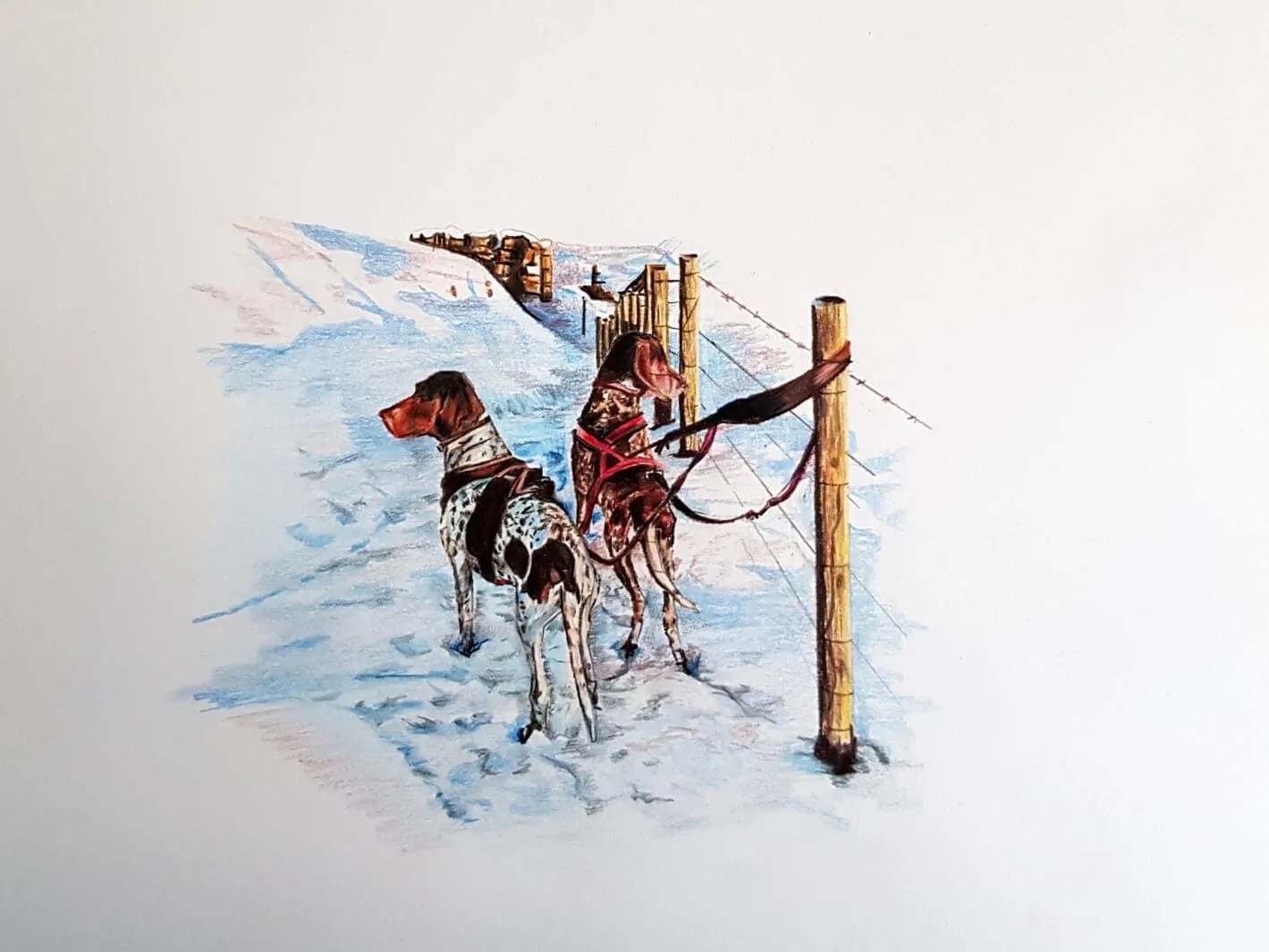
Two dogs in a snowy scene by a fence post, drawn in coloured pencil. Drawing by Michael Brace.
Consistency across channels
The same drawing should carry the same price wherever a buyer finds it: your website, social media, an exhibition, an art fair, a competition listing or a gallery. Inconsistent prices damage trust, and galleries expect their artists to hold a consistent retail price.
- Set one retail price for each work and use it everywhere.
- Account for commission. If a gallery or fair takes a share of a sale, they usually expect the retail price to stay the same. Your net income is what changes, so price with that in mind.
- Avoid undercutting yourself by selling directly at a lower price than a gallery lists.
- Keep a price list with titles, sizes, media, framing and status, and update it in one place.
- Be clear about what the price includes: framing, delivery, packaging, certificate of authenticity.
Consistency also helps competitions. If an entry form asks for a sale price, use the same figure you would list elsewhere. Our guide to entering an art competition covers pricing basics in the entry process.
Originals, editions and prints
Buyers differ: some want a one-off, some want an affordable way to own your work. Serving both is sensible, if you are honest about what each is.
- Originals are one-off drawings. They carry the highest price because they are unique, and they should be described accurately by medium, paper and size.
- Limited editions are a fixed number of reproductions, usually signed and numbered. If you offer them, state the edition size clearly and never exceed it.
- Open edition prints are reproductions without a numbered limit. They are cheaper and suit a wider audience.
Price prints so they do not compete with originals: the gap should be large enough that an original still feels special. Use good-quality printing and paper, and describe them accurately, for example as giclée prints on archival paper if that is what they are. Good photography of the original matters here, because your print file comes from it. See how to photograph your drawings for file preparation.
Longevity and materials
Buyers pay for work they expect to last. Using paper and pencils suited to long-term display supports your prices and protects your reputation. Read archival paper for selling your drawings and coloured pencil lightfastness explained so you can describe your materials confidently. Framing to conservation standards, as covered in how to frame and mount a drawing, also adds to the perceived and actual quality of a piece.
Commissions: the basics
Commissions can be a steady source of income, but they need clearer terms than a spontaneous sale.
- Agree the brief in writing. Subject, size, medium, paper, framing, deadline and number of people or elements in the piece.
- Set the price up front. Base it on the same method you use for other work, and adjust for complexity, such as multiple figures.
- Take a deposit. A portion paid at the start is common, with the balance on completion. Decide the split yourself, and put it in writing.
- Approve reference and composition before starting, so surprises are rare.
- Share progress. A layout or a mid-stage image reduces the chance of a client changing their mind late.
- Agree revisions and what happens if it is not accepted. Be clear about the limits of changes.
- Clarify rights and usage. You normally keep copyright unless agreed otherwise, and clients should not reproduce the work without permission.
Do not agree a commission you cannot deliver at the quoted price. A brief that requires many hours of reference work or extensive detail should be priced accordingly.
When to raise your prices
Raising prices is normal and healthy. Consider it when:
- Work sells quickly or sells out, suggesting demand exceeds supply.
- You have a waiting list for commissions.
- You gain credentials, such as competition shortlistings, exhibitions, publications or gallery representation.
- Your costs rise, including materials, framing, shipping and fees.
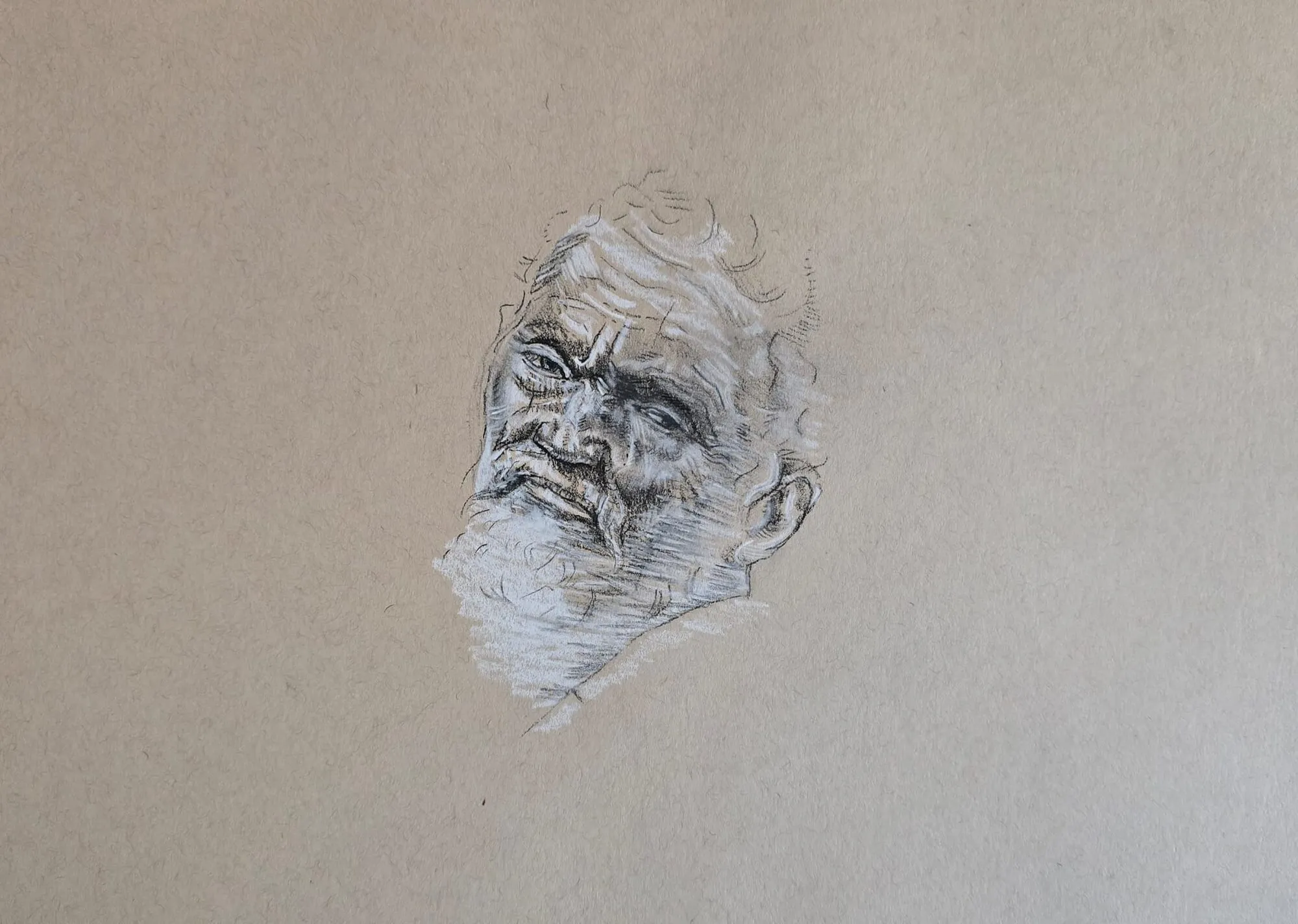
- Your skill has clearly improved. Comparing older and newer drawings of the same subject shows this, as in Michael’s drawing-skills progress figure.
Raise gradually, with new work rather than existing listings. Update every channel at once so prices stay consistent, and avoid large jumps that surprise repeat buyers. A small, regular review, for example once a year, keeps your prices in step with your career.
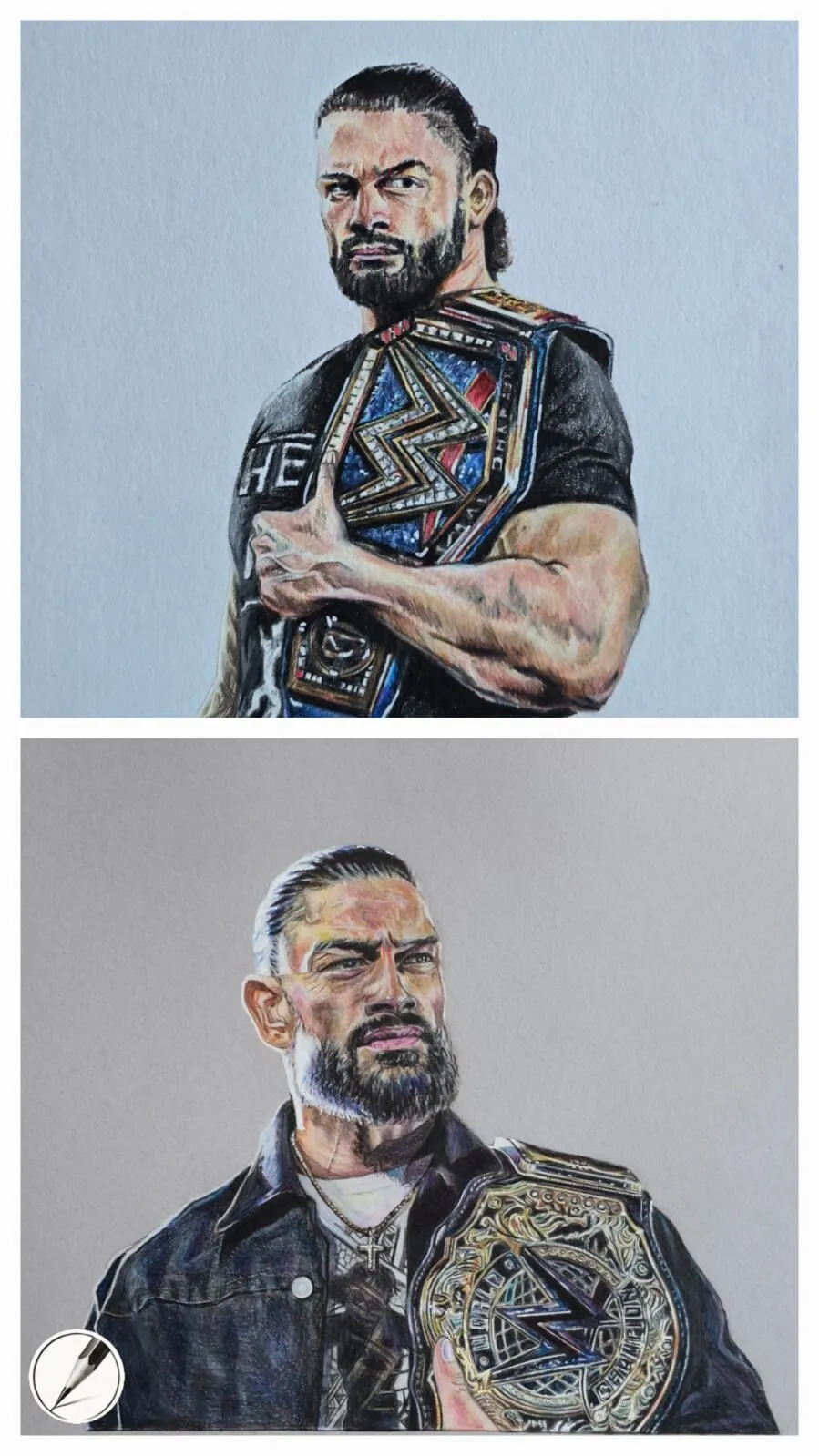
Visible improvement over time is a legitimate reason to raise prices. Keeping early and recent work in your archive lets you see it.
Avoiding underselling
Underselling is the commonest pricing mistake, and it has costs beyond income.
- It signals low value. Very low prices can make buyers doubt the quality.
- It hides real costs. If the price does not cover materials, framing and fees, each sale costs you money.
- It sets a hard precedent. Raising a price later is harder if buyers remember the old one.
- It undercuts other artists and the value of the medium as a whole.
Guard against it by knowing your cost floor, keeping standard prices, and resisting the urge to discount because a buyer hesitates. If a piece does not sell, the answer is more often better presentation, better photography or a different audience than a lower price. Strengthen your portfolio, as covered in how to build an art portfolio, and keep your pricing steady.
Discounts should be rare, deliberate and consistent, for example for a genuine collector buying several pieces, and not a habit that trains buyers to wait.
The short version
Choose a pricing method you can explain, ideally a blend of costs, size and market comparison. Keep prices identical across every channel, distinguish originals from prints honestly, put commission terms in writing, raise prices gradually as your work and credentials grow, and resist underselling. For your wider practice, start from the art world pillar and follow the guides on portfolios, photography and framing.
Quick answers
Frequently asked questions
How much should I charge for a pencil drawing?+
There is no universal figure, because it depends on your market, reputation, size, complexity and materials. Work out a method: cover your time, materials and costs, then compare with artists at a similar level and medium. Pick a price you can defend and apply it consistently.
Should I price by size or by time?+
Many artists use size because it is simple and consistent for buyers, then sense-check against time and costs. Pricing purely by hours can penalise faster, more experienced artists. Size-based pricing with a check for complexity and market comparison is a common and defensible approach.
Should I sell prints as well as originals?+
Prints can widen your audience and give buyers a lower-cost way to own your work. Keep originals distinct, describe editions clearly and price prints so they do not undercut the original. Be honest about print quality, paper and whether an edition is limited.
When should I raise my prices?+
Raise prices when work sells quickly, demand exceeds supply, you have new credentials or exhibitions, or your costs go up. Increase gradually and apply the new price to new work. Avoid changing prices for existing buyers or contradicting listed prices on other channels.