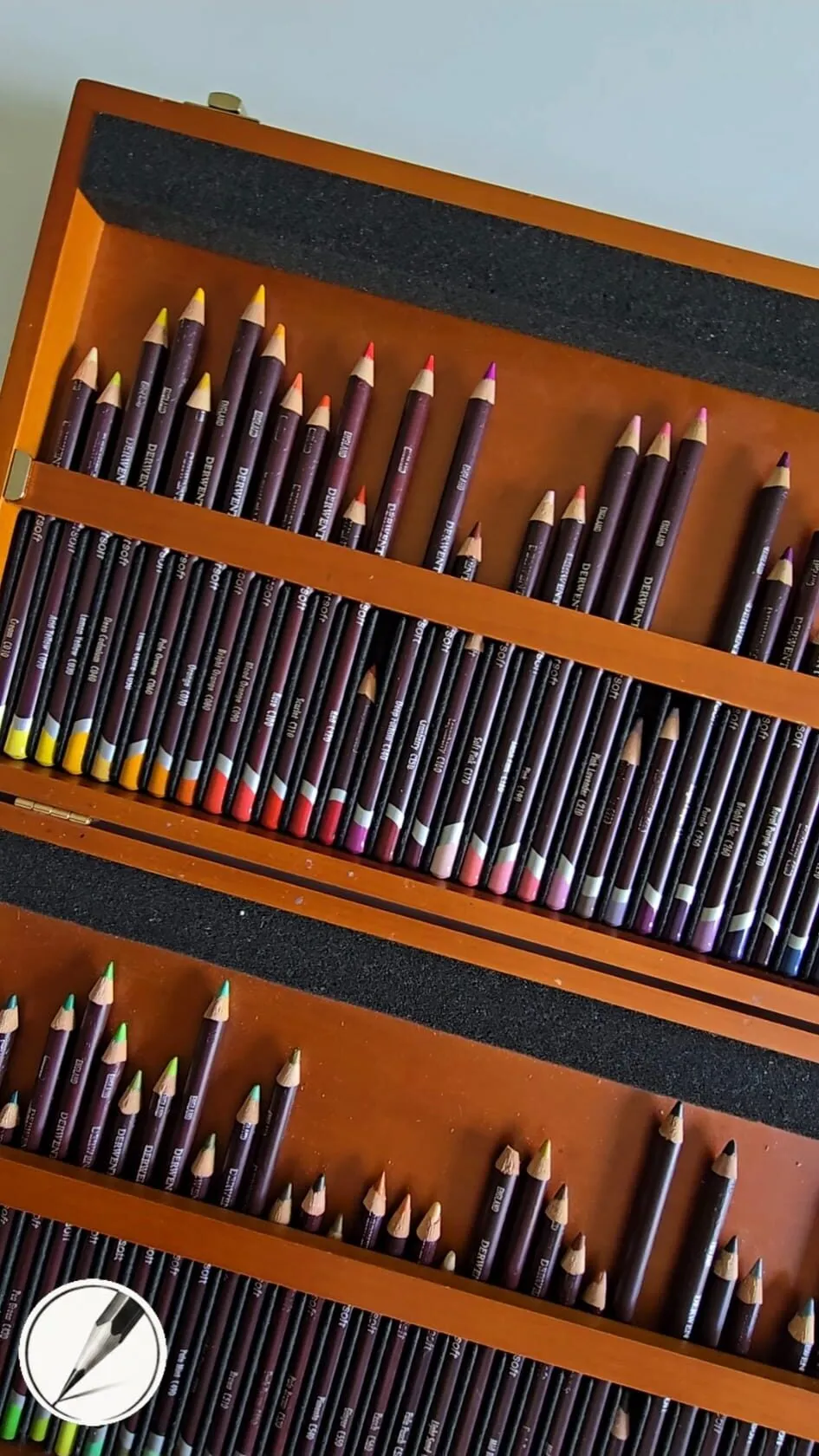
Coloured Pencils
Derwent Coloursoft vs Prismacolor Premier
Two soft, blendable coloured (colored) pencils compared: feel, blending, layering, range, handling and which subjects suit Derwent Coloursoft or Prismacolor Premier.
This guide contains affiliate links. If you buy through them we may earn a small commission at no cost to you. How this works.
Jump to recommended products
Key takeaways
- ◆Both are soft, blendable pencils: Coloursoft is described as velvety and rich, Prismacolor Premier as creamy and smooth.
- ◆Both suit soft blending, smooth gradients and painterly effects, and both need gentler handling than firm, oil-based pencils.
- ◆Prismacolor Premier is known for very easy blending and rich laydown, with a soft core that breaks more easily and wax bloom possible under heavy layering.
- ◆Availability, set sizes and prices vary by country, so check the current range and which colours you can buy separately.
- ◆Neither is the pencil for razor-sharp detail; add a firmer pencil if you need it.
If you want soft, blendable coloured pencils - colored pencils in the US - two names come up again and again: Derwent Coloursoft and Prismacolor Premier. Both are soft and both are good at smooth colour, so the difference between them is more about feel, availability and habit than about one being clearly better.
This article compares them the honest way: what each is known for, where they differ, and which subjects suit them. Everything here is general and well established, and we point you to the makers for current details. For the wider context, start with our complete coloured pencil guide.
The quick verdict
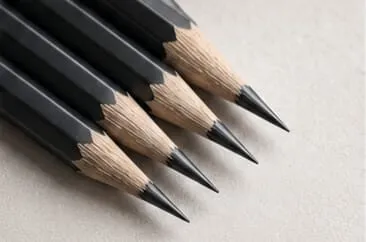
Four sharpened black pencils with grey leads on textured paper.
At a glance
| Feature | Derwent Coloursoft | Prismacolor Premier |
|---|---|---|
| Character | Velvety, rich | Creamy, smooth |
| Blending | Soft blending, painterly effects | Very easy blending |
| Laydown | Rich, soft | Rich colour quickly |
| Layering | Good, best with lighter pressure early | Fast to build; can fill the tooth sooner |
| Handling | Soft core, treat gently | Soft core, known to break more easily |
| Wax bloom | Check maker guidance | Can appear with heavy layering |
| Detail | Fine for medium detail, dulls with use | Fine for medium detail, dulls with use |
| Range and sets | Check the current range | Check the current range |
| Price level | Check current listings | Check current listings |
What they have in common
Both are soft pencils that lay pigment down quickly and blend with light effort. They are excellent for soft gradients, smoothly shaded skin, painterly backgrounds and bold, saturated colour. Both reward light pressure early and a gradual build. And both share the trade-off of every soft pencil: points dull faster and the core is more delicate than a firm, oil-based pencil.
That common ground matters. If you are choosing between these two, you already know you want softness. The difference from something like Polychromos is much bigger than the difference between these two; our Prismacolor versus Polychromos article explains that gap.
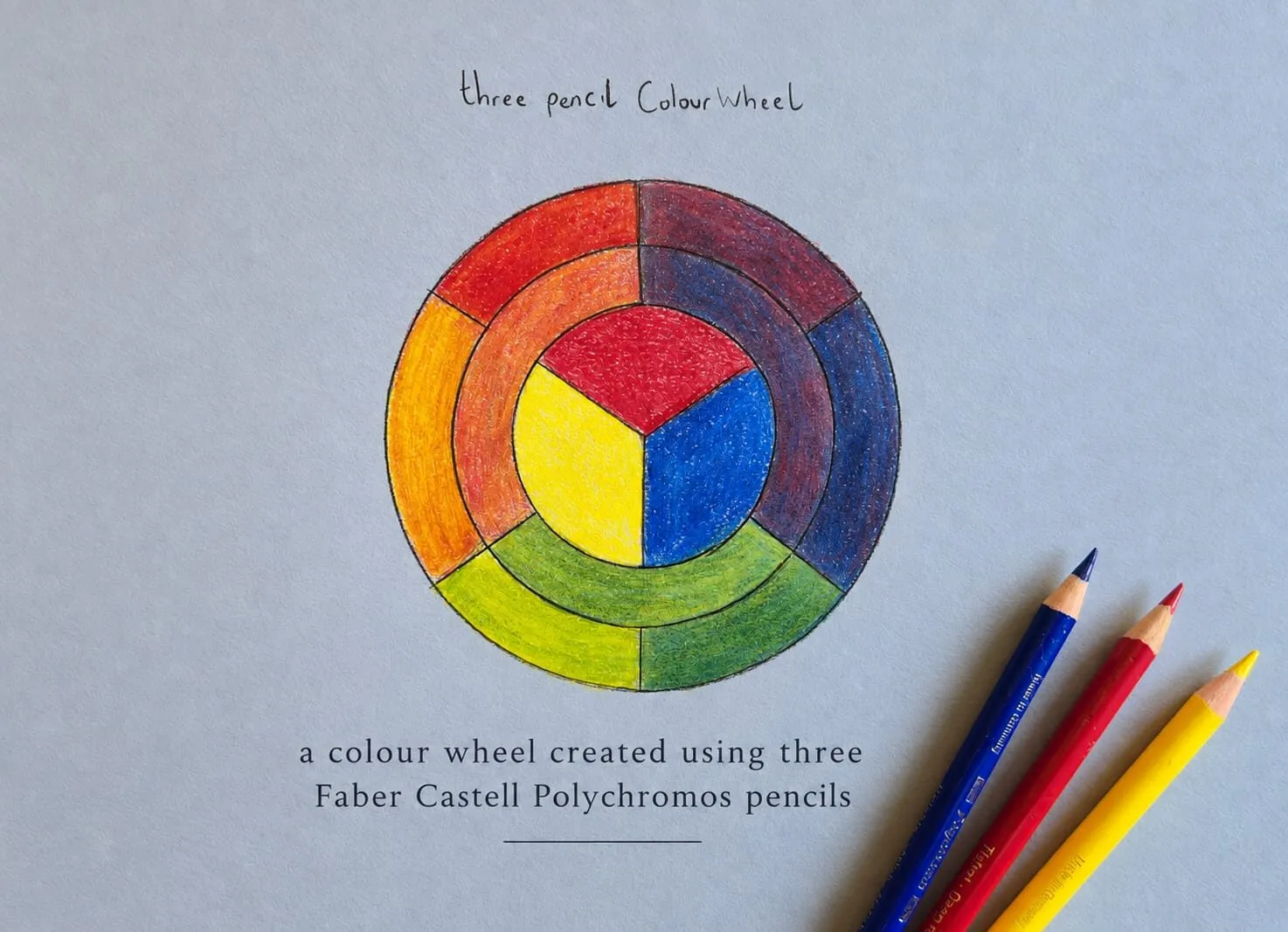
A hand-drawn colour wheel made with three Faber-Castell Polychromos pencils on blue-grey paper. Drawing by Michael Brace.
Feel on the paper
Derwent describes Coloursoft in terms that Michael’s assessment echoes: velvety and rich, great for soft blending and painterly effects. On the page that translates to a smooth, slightly buttery drag with plenty of pigment.
Prismacolor Premier is famous for a creamy, smooth feel and easy laydown. Many artists find it the most instantly gratifying pencil to pick up because colour builds quickly with almost no effort.
Feel is subjective. If you can, try a single pencil of each in a shop, or buy a small set of one before committing to a large set.
Blending and layering
Both blend easily with the pencil alone, with a paper stump, or with a blending tool. Prismacolor’s creaminess often gets it described as the easiest to melt into a smooth gradient, and it can fill the paper’s tooth quickly. That is a strength for smooth finishes and a limitation when you want to keep layering, because a well-filled surface accepts less pigment.
Coloursoft blends softly too and is loved for a painterly look. As with any soft pencil, a good habit is to start with light pressure, build slowly, and save heavy pressure for the end. Our guides to how to blend coloured pencils, how to layer coloured pencils and the best blending tools for coloured pencil cover the methods that work for both.
Handling, breakage and wax bloom
Prismacolor Premier is known for a soft core that breaks more easily, and for wax bloom when layers are heavy. Wax bloom is a hazy film of wax rising to the surface, usually wiped away gently with a soft cloth. If you draw with many layers, be mindful of it.
Coloursoft is also a soft pencil, so gentle handling, careful storage and a sharp sharpener apply just as much. We do not make claims about relative breakage between the two beyond that, because it depends on how you sharpen, store and use them. A sharp blade makes the biggest difference; see best pencil sharpeners for coloured pencils.
Colour range and availability
Ranges, set sizes and open-stock availability differ by country and change over time, so we do not quote counts. What matters in practice is:
- Can you buy single pencils to replace favourites?
- Does the set include the earthy, skin and neutral tones you use most?
- Is it easy to buy locally, so you can restock quickly?
Check the current range on each maker’s site and at your usual retailer, and decide on availability as much as on feel.
Best subjects for soft pencils
| Subject | Suitability | Notes |
|---|---|---|
| Portraits and skin | Excellent | Smooth blends; add a firm pencil for lashes and hair |
| Food, glazes and icing | Excellent | Soft blends and rich colour suit glossy sweets |
| Skies, backgrounds, flowers | Excellent | Broad, blended colour |
| Bold, saturated colour | Excellent | Rich laydown |
| Fine fur and feathers | Limited | Points dull quickly; use firm pencils for detail |
| Crisp architectural edges | Limited | Better with firm, sharp pencils |
For a portrait-focused shortlist, see best coloured pencils for portraits.
What about paper?
Soft pencils fill the tooth quickly, so paper choice matters. A paper with some tooth and enough weight allows more layers before the surface is saturated. Our guide to the best paper for coloured pencils helps you match paper to pencil.
Recommendation by budget and experience
- Lower budget: buy a smaller set of whichever feels better to you rather than a large set you may not use fully.
- Medium budget: choose on availability and colour selection, since both are widely liked.
- Higher budget: if detail and archival work matter, consider professional pencils and check lightfastness charts; see professional versus student coloured pencils.
For an overview of Derwent’s other ranges, read Derwent coloured pencils reviewed.
How to choose if you still cannot decide
Three practical tests break a tie. First, availability: if one brand is easy to restock where you live, that convenience will outweigh a slight preference in feel. Second, colour selection: lay the published colour charts side by side and see which offers better versions of the colours you reach for most, such as skin tones, earthy browns and greys. Third, a trial: buy a small set or a few single pencils of each and draw the same simple shape, a sphere with a shadow, on the paper you normally use.
Pay attention to how each pencil behaves as you add layers, not just on the first pass. Notice how quickly the surface stops taking colour, how the point wears, and whether you enjoy the sound and drag of the pencil. Those small details decide whether a set becomes a favourite or sits in a drawer.
Pairing soft pencils with a white pencil
On toned paper, soft pencils are also handy for highlights, because a creamy white or pale cream covers the surface well and blends into the colour beneath. If you plan to work on grey, read why use grey paper for coloured pencil before you buy, since it changes which pale pencils matter most.
The short version
Derwent Coloursoft and Prismacolor Premier are close cousins: soft, rich and blendable. Coloursoft brings a velvety, painterly feel; Prismacolor is the creamy, easy-blending favourite with a softer core that breaks more readily and can show wax bloom under heavy layering. Choose by feel, colour selection and what you can easily buy, and add a firmer pencil when detail matters.
Where to buy
Recommended products
Affiliate links. We may earn a small commission if you buy, at no extra cost to you. Why?
Pencils · Derwent
Derwent Coloursoft Pencils
Soft, velvety and richly pigmented - excellent for painterly blending and bold colour.
Pencils · Prismacolor
Prismacolor Premier
Creamy, smooth pencils famous for easy blending and soft shading.
Quick answers
Frequently asked questions
Is Derwent Coloursoft the same as Prismacolor Premier?+
No. They are different brands with a similar purpose: soft, blendable pencils for smooth colour. Coloursoft is described as velvety and rich, while Prismacolor Premier is creamy and smooth. Each has its own colour range and feel, so the best way to choose is by handling and availability.
Which is better for blending, Coloursoft or Prismacolor?+
Both blend well. Prismacolor Premier has a reputation for especially easy, creamy blending, and Coloursoft is loved for soft blending and painterly effects. The difference is subtle and personal, so choose on feel, colour range and what is easy to buy where you live.
Are colored pencils and coloured pencils different?+
No. Colored is the US spelling and coloured the UK spelling of the same thing. Derwent Coloursoft keeps its brand spelling, and Prismacolor is sold worldwide, so you may see either spelling in shops and search results for these pencils.
Do I need a firm pencil as well as a soft one?+
It helps if you draw fine detail. Soft pencils blend beautifully but dull quickly, so many artists add a firmer pencil for sharp edges, eyelashes, hair and small marks. Use the soft set for large areas and blending, and the firm one for finishing touches.